Source new sedan hybrid car for fleet, family, and business use
Explore 30 listings for a new sedan hybrid car featuring AWD and FWD options with automatic gearboxes. Buyers can compare models like the Qin L and Seal 06 DM-i, reviewing specifications such as dimensions, fuel types, and braking systems to find the right vehicle.
Key considerations
Products List


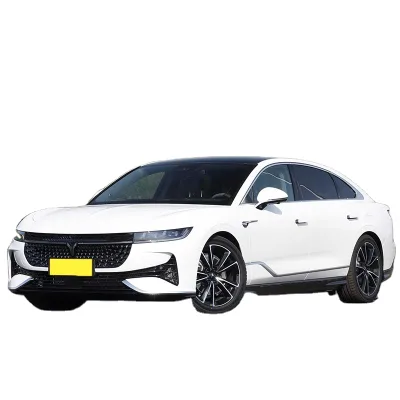


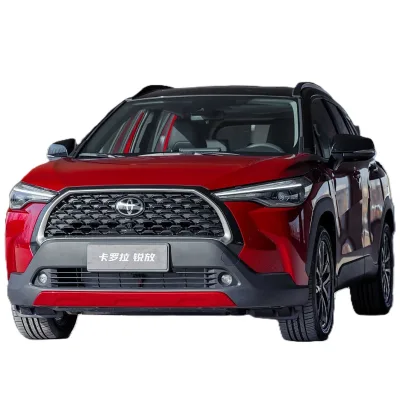


Gray Left-Hand Drive Hybrid Sedan - Eco-Friendly Electric & Gasoline Vehicle
$47000.00 - $54200.00
Moq: 1


Luxury Electric Car Hybrid Vehicle High Speed Gray MID-Size SUV 5 Doors 7 Seats
$32000.00 - $45000.00
Moq: 1
Comprehensive Sourcing Guide
Strategic Sourcing Guide for New Sedan Hybrid Vehicles
The global automotive market has witnessed a significant shift toward electrified powertrains, with the new sedan hybrid car emerging as a critical segment for both commercial fleets and private procurement. For buyers navigating this landscape, the decision-making process requires a granular understanding of technical specifications, regulatory compliance, and supply chain logistics. This guide synthesizes observed market data and technical attributes to provide a disciplined framework for sourcing these vehicles. The focus remains on evidence-based criteria, ensuring that procurement strategies are grounded in verifiable product facts rather than speculative marketing claims.
Technical Specifications and Powertrain Architecture
When evaluating new sedan hybrid cars, the primary technical differentiator lies in the powertrain architecture and fuel efficiency. Market observations indicate a diverse range of fuel types, including electric, gasoline, and hybrid configurations. A specific subset of listings highlights the "Hybrid" fuel type, often paired with advanced transmission systems such as automatic gearboxes. The driving dynamics are equally varied, with some units specified as All-Wheel Drive (AWD) while others are Front-Wheel Drive (FWD). This variance necessitates a clear definition of operational requirements before engaging with suppliers.
The physical dimensions of the vehicle are critical for logistics and usage planning. Standardized measurements observed in the market include overall lengths ranging from approximately 4680mm to 5137mm, with widths varying between 1825mm and 1904mm. Wheelbases are similarly diverse, with specific models noting dimensions of 2800mm and 3060mm. These dimensions directly influence the vehicle's classification, with some units categorized as midsize sedans. The curb weight is another essential metric, with observed values around 1680kg, which impacts fuel consumption calculations and road tax liabilities in various jurisdictions.
Furthermore, the braking systems employed in these vehicles vary significantly across different listings. Buyers must verify whether a specific unit utilizes an electromagnetic, hydraulic, or mechanical braking system. While electromagnetic systems are often associated with advanced regenerative braking capabilities in hybrid architectures, hydraulic systems remain the standard for high-performance stopping power. The integration of these systems with the specific hybrid powertrain is a key technical consideration that affects maintenance schedules and safety performance.
Compliance, Certification, and Regulatory Standards
Navigating the regulatory landscape is a paramount concern for B2B procurement. Compliance ensures that the vehicle can be legally registered and operated in the target market. A recurring observation in the product data is the mention of management certifications, specifically ISO standards. While the specific ISO designation may vary, the presence of such certification indicates a manufacturer's adherence to international quality management systems. Buyers should explicitly request proof of valid ISO certification for the specific production batch to ensure continuity of quality control.
In addition to management certifications, product standards regarding dimensions and safety are vital. Observed standard dimensions for certain models include specific length, width, and height combinations, such as 476518371495mm or 483018751495mm. These figures must align with local road regulations and parking infrastructure constraints. For vehicles intended for road use, compliance with local emission standards is non-negotiable. While specific emission ratings are not universally listed in the provided data, the distinction between gasoline, electric, and hybrid fuel types implies different regulatory pathways. Buyers must verify that the vehicle's fuel type and displacement, which ranges from 1000-1600CC in some observed models, meet the specific environmental mandates of the destination country.
Cost Drivers and Pricing Dynamics
The financial aspect of sourcing new sedan hybrid cars involves a complex interplay of factors. The observed price range in the market spans from $3,500 to $200,000 USD. This wide disparity suggests that the "new sedan hybrid" category encompasses everything from entry-level compact models to high-end luxury variants with extensive feature sets. The Minimum Order Quantity (MOQ) is another significant cost driver, with observed ranges between 1 and 4 units. This flexibility allows small businesses to test the market with a single unit, while larger fleets can negotiate bulk rates.
Several elements contribute to the final landed cost. The origin of the vehicle, frequently cited as China, influences shipping logistics and potential tariffs. Packaging methods, such as flat rack container shipments or standard containerization, also affect freight costs. Customization options, which are noted as available in several listings, can significantly alter the base price. Additionally, the warranty terms, with some listings offering a 1-year warranty, must be factored into the total cost of ownership. Buyers should scrutinize whether the warranty covers the hybrid battery system specifically, as this is often the most expensive component to replace.
Typical Applications and Operational Use Cases
The versatility of new sedan hybrid cars makes them suitable for a broad spectrum of applications. The "Family Car" usage category is prominent, indicating that these vehicles are designed for daily commuting, school runs, and leisure travel. The integral body structure and cabin design support this domestic application, offering comfort and safety for multiple passengers. With seating configurations typically accommodating five passengers, these sedans are ideal for small to medium-sized households or corporate transport services.
For commercial applications, the "Road" condition specification suggests suitability for standard highway and urban driving environments. The maximum speed capabilities, observed up to 200 km/h in some models, ensure that these vehicles can handle high-speed traffic flows efficiently. The fuel oil label requirement of 95# for certain gasoline or hybrid variants indicates a need for high-octane fuel, which may impact operational costs in regions where premium fuel is expensive. The mileage specifications, with some units listed as having ≤10000 Km, suggest that buyers may be sourcing nearly new or demonstrator vehicles, which can offer a cost-effective alternative to brand-new inventory while still providing significant remaining service life.
Supplier Evaluation and Logistics Management
Selecting the right supplier requires a rigorous evaluation of their logistical capabilities and product consistency. The origin of the products is a critical factor, with China being a primary source for the observed listings. Buyers must assess the supplier's ability to manage international shipping, particularly given the varied packing requirements ranging from flat rack containers to customer-specific demands. The lead time and delivery reliability are essential metrics that should be verified before finalizing any contract.
Quality control during the shipping process is equally important. The use of flat rack containers for certain shipments implies that the vehicles may be exposed to specific handling risks. Buyers should ensure that the supplier employs robust packaging protocols to prevent damage during transit. Furthermore, the availability of customization options suggests that the supplier has the flexibility to tailor vehicles to specific client needs. However, this flexibility must be balanced against the risk of production delays or quality inconsistencies. A thorough supplier audit should include a review of their production capacity, quality assurance processes, and track record in delivering hybrid vehicles.
Long-Term Procurement and Maintenance Considerations
Sourcing new sedan hybrid cars is not merely a transactional event but a long-term commitment. The warranty period, typically observed as 1 year, serves as a baseline for manufacturer support. However, buyers should consider the long-term maintenance requirements of hybrid systems. The presence of different braking systems (electromagnetic, hydraulic, mechanical) and varying fuel types (electric, gasoline, hybrid) means that maintenance strategies will differ significantly between models.
The displacement range of 1000-1600CC and the specific fuel requirements (e.g., 95#) highlight the need for a specialized supply chain for spare parts and fuel. Buyers should establish relationships with local service providers who are familiar with the specific hybrid architecture of the purchased vehicles. Additionally, the condition of the vehicle, consistently listed as "New," implies that the initial procurement should focus on vehicles with minimal wear. However, for those considering units with ≤10000 Km mileage, a detailed inspection is necessary to verify the actual condition of the hybrid battery and drivetrain.
Comparative Analysis of Key Attributes
To facilitate informed decision-making, the following table summarizes the key attributes observed across the market for new sedan hybrid cars. This comparison highlights the variability in specifications and helps buyers identify the features that align with their specific operational needs.
| Attribute | Observed Variations | Procurement Implication |
|---|---|---|
| Fuel Type | Electric, Gasoline, Hybrid | Determines regulatory compliance and fuel infrastructure needs. |
| Drive System | AWD, FWD | Affects traction performance and suitability for different road conditions. |
| Braking System | Electromagnetic, Hydraulic, Mechanical | Impacts maintenance complexity and safety system integration. |
| Body Style | Sedan, Closed, Open | Defines the vehicle's primary use case (e.g., family vs. utility). |
| Dimensions | Length: 4680-5137mm; Width: 1825-1904mm | Critical for parking, garage fitment, and transport logistics. |
| Warranty | 1 Year (Standard) | Baseline for after-sales support; requires verification of coverage scope. |
| Origin | China | Influences shipping costs, tariffs, and lead times. |
| Packaging | Flat Rack, Container, Customized | Affects freight costs and vehicle protection during transit. |
In conclusion, sourcing new sedan hybrid cars requires a meticulous approach that balances technical specifications, regulatory compliance, and logistical feasibility. By focusing on the verified attributes provided in the market data, buyers can construct a robust procurement strategy that mitigates risk and ensures the acquisition of vehicles that meet their specific operational requirements. The diversity in fuel types, drive systems, and dimensions offers a wide array of options, but it also demands a high degree of diligence in supplier evaluation and product verification.
FAQs
What fuel types are available for new sedan hybrid cars?
New sedan hybrid cars are available in electric, gasoline, and hybrid fuel types. Buyers must verify the specific fuel type for each model, as options include electric configurations or gasoline units requiring 95# fuel oil, depending on the manufacturer's specification.
Which braking systems are used in these vehicles?
These vehicles utilize electromagnetic, hydraulic, or mechanical braking systems. The specific system depends on the model, with electromagnetic systems often linked to hybrid architectures and hydraulic systems providing standard stopping power for high-performance needs.
How are new sedan hybrid cars packaged for shipment?
Packaging methods vary by supplier and include flat rack container shipments, standard containers, or customized solutions according to customer demand. Buyers should confirm the specific packing method to ensure proper protection during international transit from the origin location.
What is the minimum order quantity for these cars?
The minimum order quantity ranges from 1 to 4 units per supplier. This flexibility allows small businesses to purchase single units while larger fleets can negotiate bulk rates, though specific MOQs depend on the individual manufacturer's policy.
Can buyers customize the exterior color of these sedans?
Customization is available for certain models, including specific exterior colors like black. Buyers should confirm customization options with the supplier, as availability may vary based on the specific model and production capacity at the manufacturing facility.
What warranty terms apply to new sedan hybrid cars?
A standard warranty of 1 year is offered for these vehicles. Buyers should verify if this warranty covers the hybrid battery system and drivetrain, as maintenance requirements differ significantly between electric, gasoline, and hybrid powertrain configurations.